Advancing management
as a human discipline
MLARI equips scholars, leaders, and organizations with the tools to apply MLA principles — integrating knowledge, wisdom, and ethical leadership to drive meaningful societal impact.
Core Principles
Truth
Grounding leadership and management in honest inquiry and intellectual integrity.
Human Dignity
Recognizing the inherent worth of every individual within and beyond the organization.
Responsibility
Holding leaders accountable to their people, institutions, and broader society.
Integrity
Building organizations on ethical foundations that endure across time and challenge.
Learning
Fostering environments of continuous growth and the relentless pursuit of knowledge.
Critical Thinking
Bringing rigorous, disciplined reasoning to the complex challenges of modern management.
About Us
The MLA Research Institute (MLARI) is dedicated to advancing the study and real-world application of Management as a Liberal Art within organizations. Through educational content, research publications, workshops, and partnerships, MLARI equips students, leaders, and organizations with tools to apply MLA principles in practice. The Institute supports academic and professional audiences through course materials, case studies, podcasts, and thought leadership that address today’s management and leadership challenges while promoting organizations as places where individuals can find purpose, contribute meaningfully, and drive positive societal impact.
Mission
To expand and to deepen the knowledge and practice of Management as a Liberal Art globally by conducting collaborative research and developing learning content.
Vision
A functioning society of institutions that ethically respects all of its constituencies and resists totalitarianism and autocracy in order to realize individual dignity.
History
Peter F. Drucker, widely recognized as the founder of modern management, shaped both the philosophical and practical foundations of how organizations are led today. His work established that effective management is essential not only for organizational success, but for the health and stability of society itself. Without strong management, organizations inevitably decline into disorder. For communities and economies to thrive, institutions must be led with purpose, discipline, and responsibility—this is the essential work of management.
Drucker defined management as a liberal art because it is fundamentally a human-centered practice. It draws from disciplines that help us understand people and society, including psychology, philosophy, history, economics, and ethics. In The New Realities, Drucker emphasized that management is rooted in knowledge, self-knowledge, wisdom, and leadership, and must ultimately translate insight into effective action and meaningful results across industries—from healthcare and education to technology and infrastructure.
Central to Drucker’s thinking was the belief that strong and enduring organizations foster the personal and moral development of their people. Organizations are not simply economic engines; they are places where individuals contribute, achieve, and find purpose within society. Management as a Liberal Art builds on this foundation, encouraging leaders to continuously seek knowledge and create environments where people find meaning, grow, and contribute—enabling organizations to achieve their mission while strengthening the communities they serve.
Purpose of MLA
Drucker believed the practice of management must aim to create and maintain effective and sustainable organizations in which individuals find meaningful existence and purpose while engaging in responsible citizenship, and contributing to the common good and the betterment of society.
Drucker explained that profit should not be the objective of a business organization, but the end result. The profit motive should not be a guide to behavior; rather it is the result of good behavior. As such, Drucker argued that what ought to drive performance and results is the development of personal strengths across the organization which in turn leads to social benefit. Drucker explained that leadership is ultimately moral and includes developing people. If people develop and grow, they will also make greater contributions to the organization and society.
It follows that “leadership is lifting a person’s vision to higher sights, the raising of a person’s performance to a higher standard, the building of a personality beyond its normal limitations.” – Drucker, 1954

Our Team
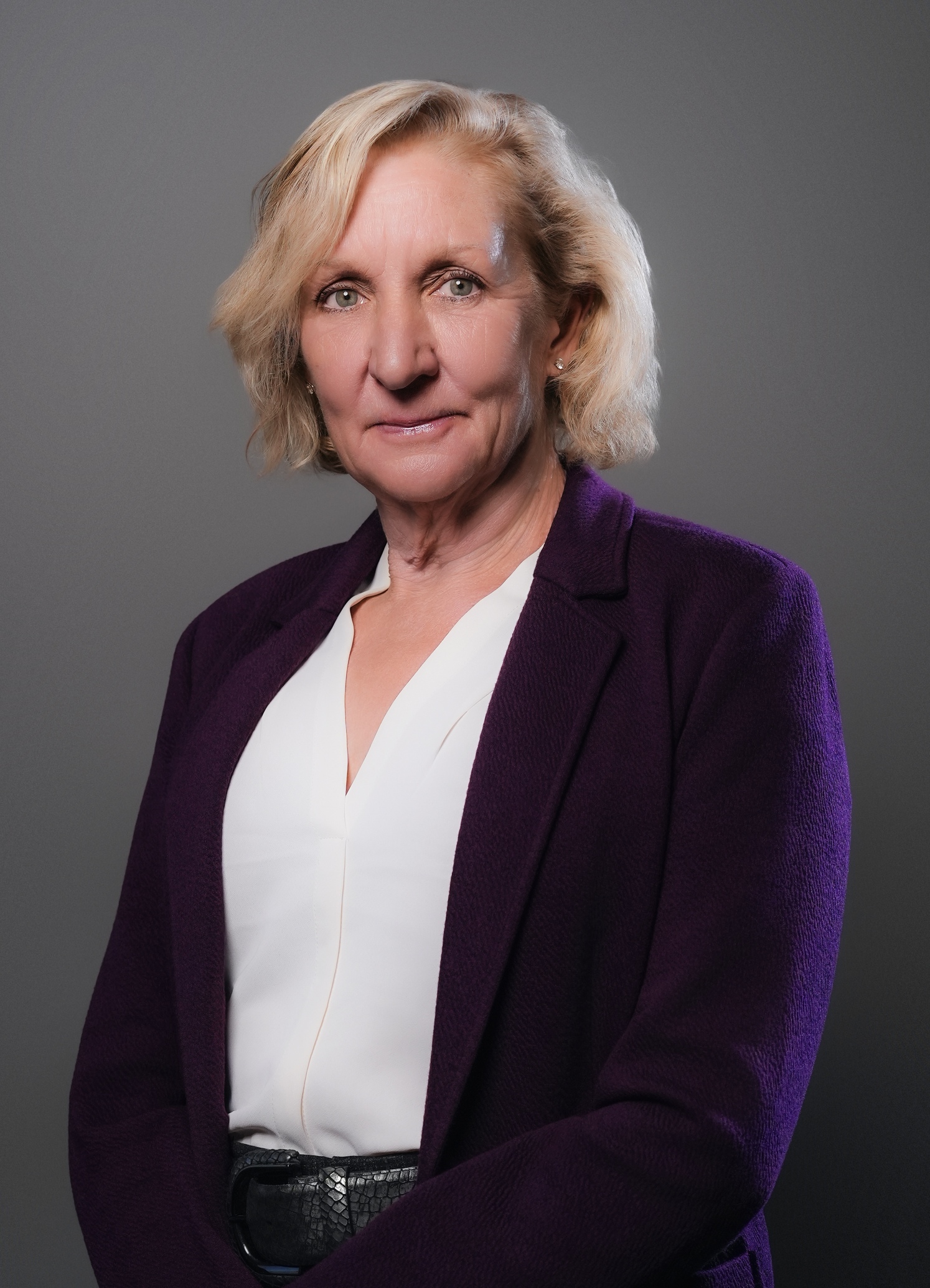
Karen E. Linkletter, Ph.D

Byron Ramirez, Ph.D.
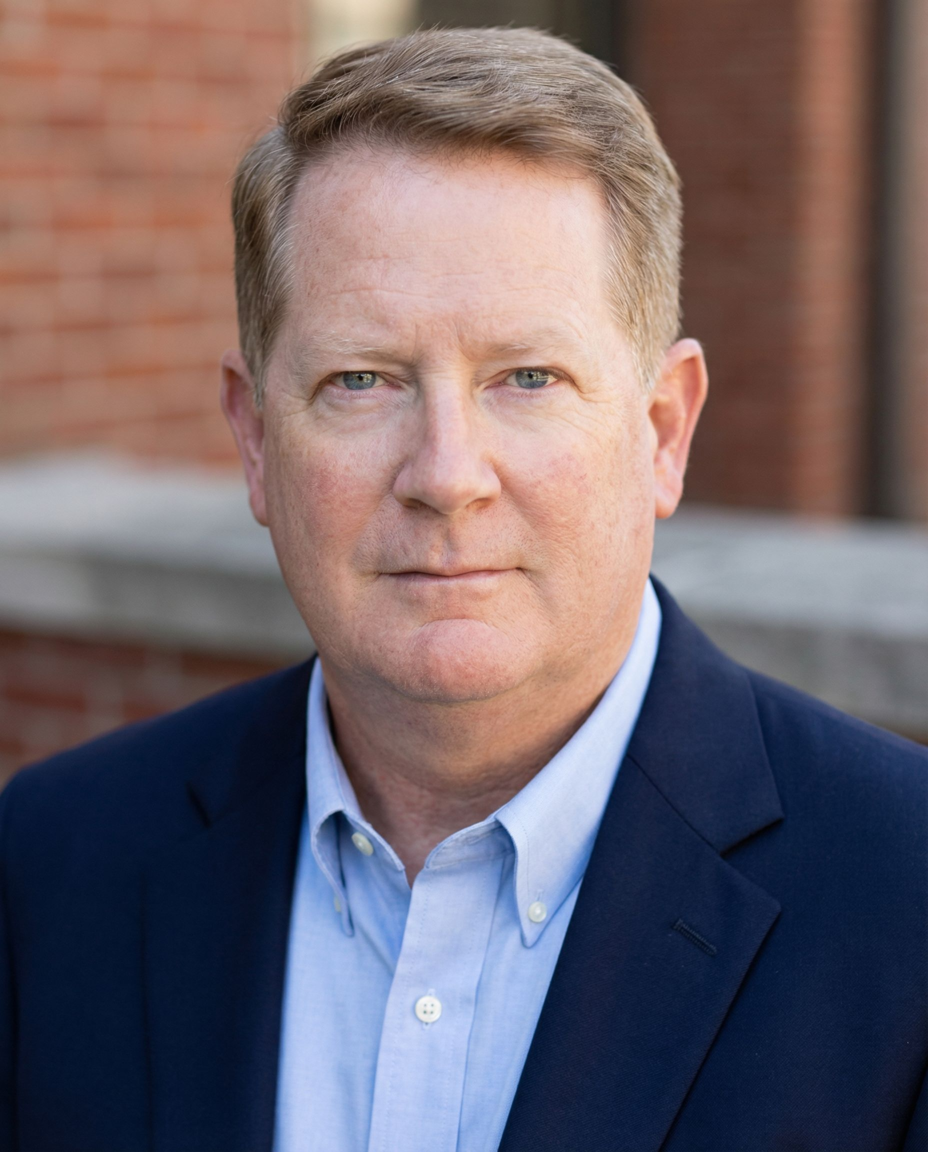
Robert Kirkland, Ph.D.

Michael Cortrite, Ph.D.
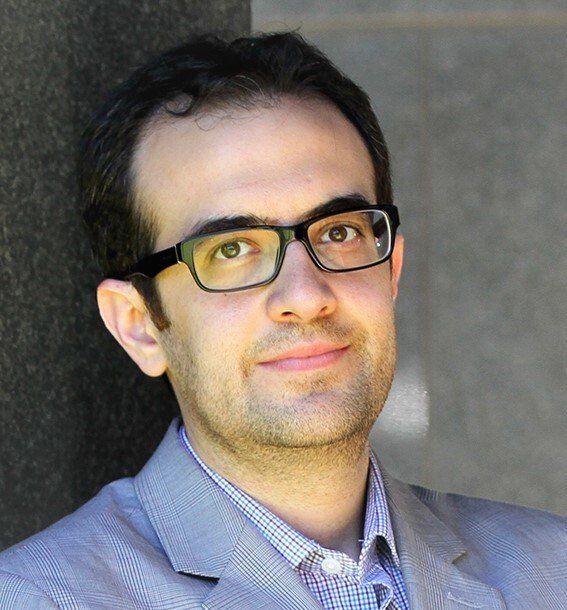
Pooya Tabesh, Ph.D.

Carol Mendenall, Ph.D.

Bo Yang, Ph.D.

Kyungchan Park, Ph.D.
Research & Publications
The Transdisciplinary Journal of Management
The Transdisciplinary Journal of Management (TJM), published by the Management as a Liberal Art Research Institute (MLARI), is a peer-reviewed platform dedicated to redefining management through a liberal arts lens. It invites interdisciplinary research that bridges business with fields like ethics, sociology, and the arts, emphasizing ethical leadership, social responsibility, and human dignity. TJM welcomes accessible, non-technical submissions from scholars and practitioners across sectors, including nonprofits, education, and healthcare.
Case Studies
Through featured thought leadership profiles, MLARI highlights how today’s most influential leaders apply human-centered management principles to drive innovation, sustainability, and responsible growth. From global business transformation and conscious capitalism to ethical leadership in action, these perspectives showcase how Management as a Liberal Art continues to shape modern organizations and redefine what effective leadership looks like in practice.
Contributions
A growing library of books, articles, and scholarly contributions exploring the principles of Management as a Liberal Art.
Research Topics
Our research spans a range of interdisciplinary areas, examining complex challenges at the intersection of leadership, management, and society. Through scholarly papers and applied reports, we explore topics such as:
- Organizations and society
- Development of People in Organizations
- Corporate Social Responsibility
- Decision Making
- Change management and Leadership
- Entrepreneurship and Innovation
- Ethics and Governance
- Strategic Management and Organizations
- Intersection Between Technology and People
- Management Challenges in Non-Profit or Public Sector Organizations
- Organizational Behavior and Human Resources Management
- Business Policy and Strategic Management
- Work and Meaning
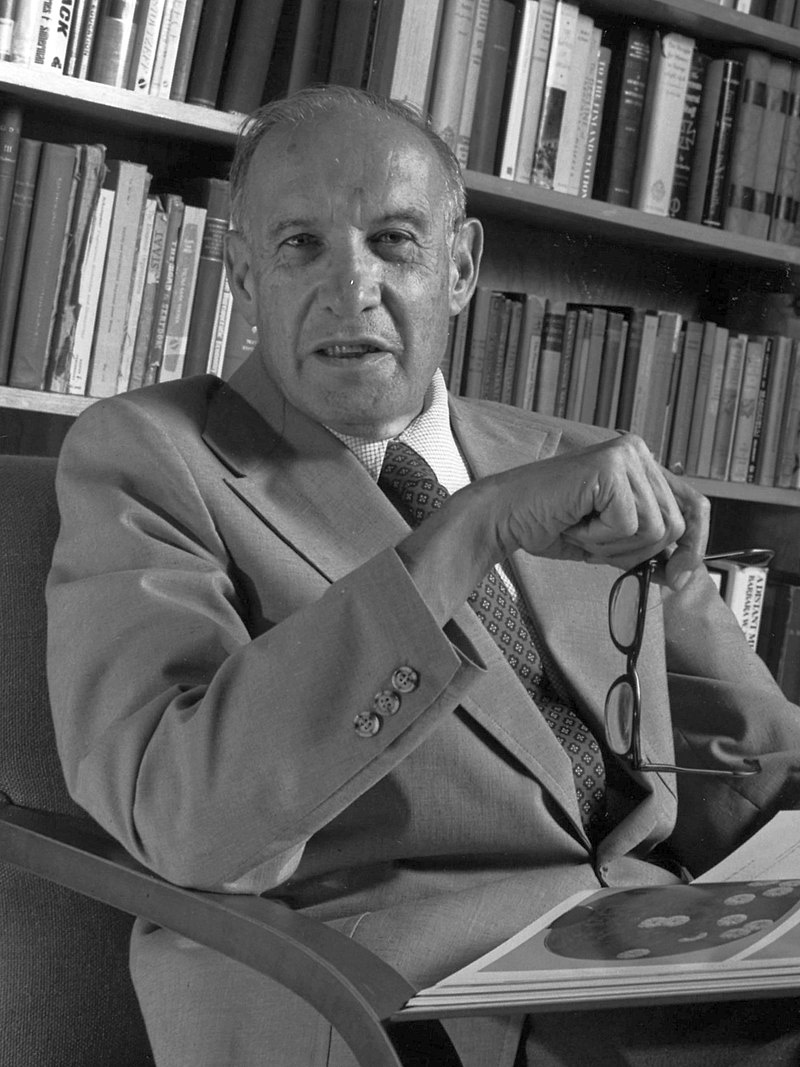
Peter Drucker & MLA
Peter F. Drucker defined management as a liberal art—“liberal” because it is rooted in understanding human nature, knowledge, and wisdom, and “art” because it focuses on practical application. Building on Drucker’s philosophy, Management as a Liberal Art emphasizes the integration of knowledge, self-knowledge, wisdom, and leadership to develop individuals, strengthen organizations, and advance society. At its core, MLA supports personal growth, organizational effectiveness, community development, and the protection of human dignity by recognizing that organizations exist not only to perform economically, but to serve people and society.
Management as a Liberal Art further recognizes that strong, enduring organizations foster the self-development and moral growth of their people. Organizations serve as vehicles through which individuals contribute, achieve, and find purpose within the broader community, while also remaining accountable to multiple stakeholders. This philosophy calls on managers to continuously seek knowledge and cultivate environments where people find meaning, learn, and contribute—enabling organizations to achieve their mission while driving positive impact for their communities and society as a whole.
Training Programs & Workshops
MLARI’s trainings and workshops offer leaders and organizations a deeper engagement with the principles of Management as a Liberal Art — combining rigorous intellectual inquiry with practical application to cultivate more ethical, reflective, and human-centered leadership.
- Train the Trainer (TTT) Program
- Management as a Liberal Art – A Primer
- Drucker Theory and Philosophy 101
- Understanding Management as a Liberal Art in Theory and Practice
- Executive Leadership
- The Knowledge Society of the Future
- A Functioning Society of Organizations
- Fostering Responsible Leadership in Organizations
- Management for the 21st Century
- Innovation and Entrepreneurship
- Leadership Essentials for the 21st Century
- Ethical Leadership
- Leading Organizational Change and Managing Change
- Leading and Managing Small Businesses
- Non-Profit Management
- How the Arts can Help us be Better Leaders
- The Role of Context and Perspective in Leadership
- Managing Discontinuity in Today’s World

Contact Us
The MLARI Toolkit
The MLARI Toolkit is your gateway to the thinking tools behind today’s most forward-looking leaders. Curated from thought leaders and innovators in Management as a Liberal Art, this growing resource library includes ready-to-use syllabi, presentation decks, frameworks, and learning assets designed to elevate teaching, leadership development, and organizational thinking. It’s not just content—it’s practical wisdom, built for impact.
Joseph A. Maciariello Archive
The Joseph A. Maciariello Archive is a curated collection honoring one of the foremost stewards of Peter Drucker’s legacy and the evolution of Management as a Liberal Art. This archive preserves rare writings, thought leadership, research contributions, and historical insights that continue to shape modern management thinking. It serves as an essential resource for scholars, leaders, and practitioners seeking to deepen their understanding of values-driven, human-centered management.
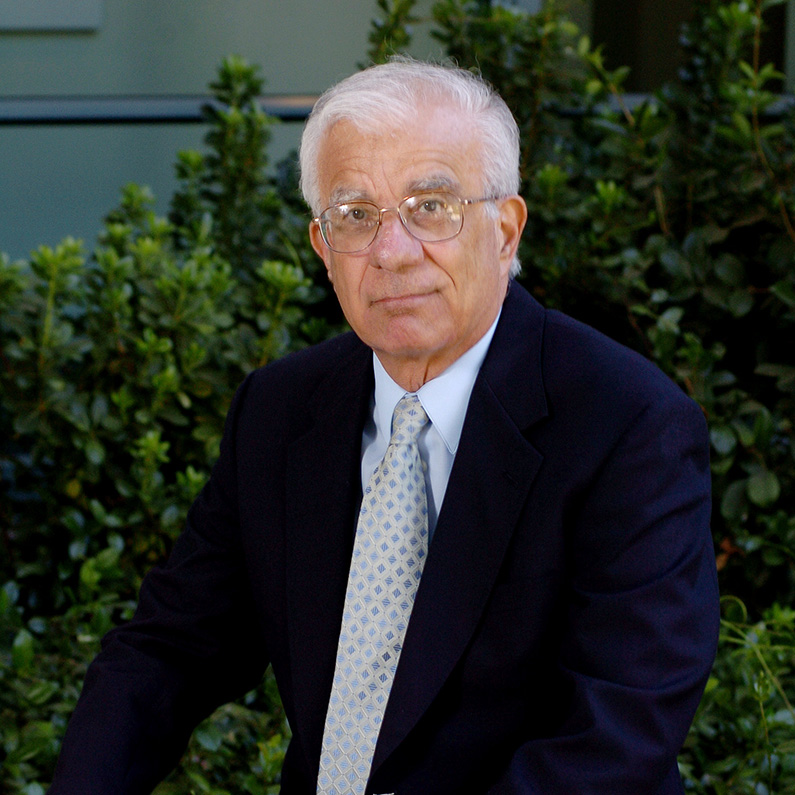
Joseph A. Maciariello Archive
The Joseph A. Maciariello Archive is a curated collection honoring one of the foremost stewards of Peter Drucker’s legacy and the evolution of Management as a Liberal Art. This archive preserves rare writings, thought leadership, research contributions, and historical insights that continue to shape modern management thinking. It serves as an essential resource for scholars, leaders, and practitioners seeking to deepen their understanding of values-driven, human-centered management.
Latest Insights
From the Blog
Upcoming Events
The Management as a Liberal Art Podcast brings together leading thinkers, executives, and scholars to explore leadership, ethics, and the human side of management in today’s complex world. Streaming on all major platforms, the podcast delivers practical wisdom, thoughtful dialogue, and real-world insight for leaders committed to continuous learning and meaningful impact.
- Season 03
- Episode 3
Human-centered Decision Science: Focusing on Purpose, Ethical Responsibility, and Designing Systems for Human Needs
In this episode of the Management as a Liberal Art podcast, Dr. Byron Ramirez speaks with Dr. Kyungchan Park to explore the evolving intersection of artificial intelligence, decision science, and...
- Season 03
- Episode 2
Crafting a Life of Impact: Management Beyond One Discipline
In this episode of the Management as a Liberal Art podcast, Dr. Byron Ramirez speaks with Dr. Maria Akopian about her career and journey through music, television, healthcare, marketing, and...
- Season 03
- Episode 1
Why Manager Engagement Matters More than Ever
This episode explores why manager engagement is a critical yet often overlooked driver of organizational success, as the host speaks with Christina Watt about her research on post-COVID practices across...


Get In Touch
If you are interested in getting involved, exploring research topics, asking questions, or connecting with the Management as a Liberal Art Research Institute, we welcome your inquiries. Please contact us at:
Email: [email protected]
1000 South Fremont Avenue – Unit#45
Building A-10, 4th Floor, Suite 10402
Alhambra, CA 91803
Mon—Fri: 9:00 AM – 5:00 PM
Sat—Sun: Closed